
What Manatees Are Teaching CMARI About Belize’s Seagrass
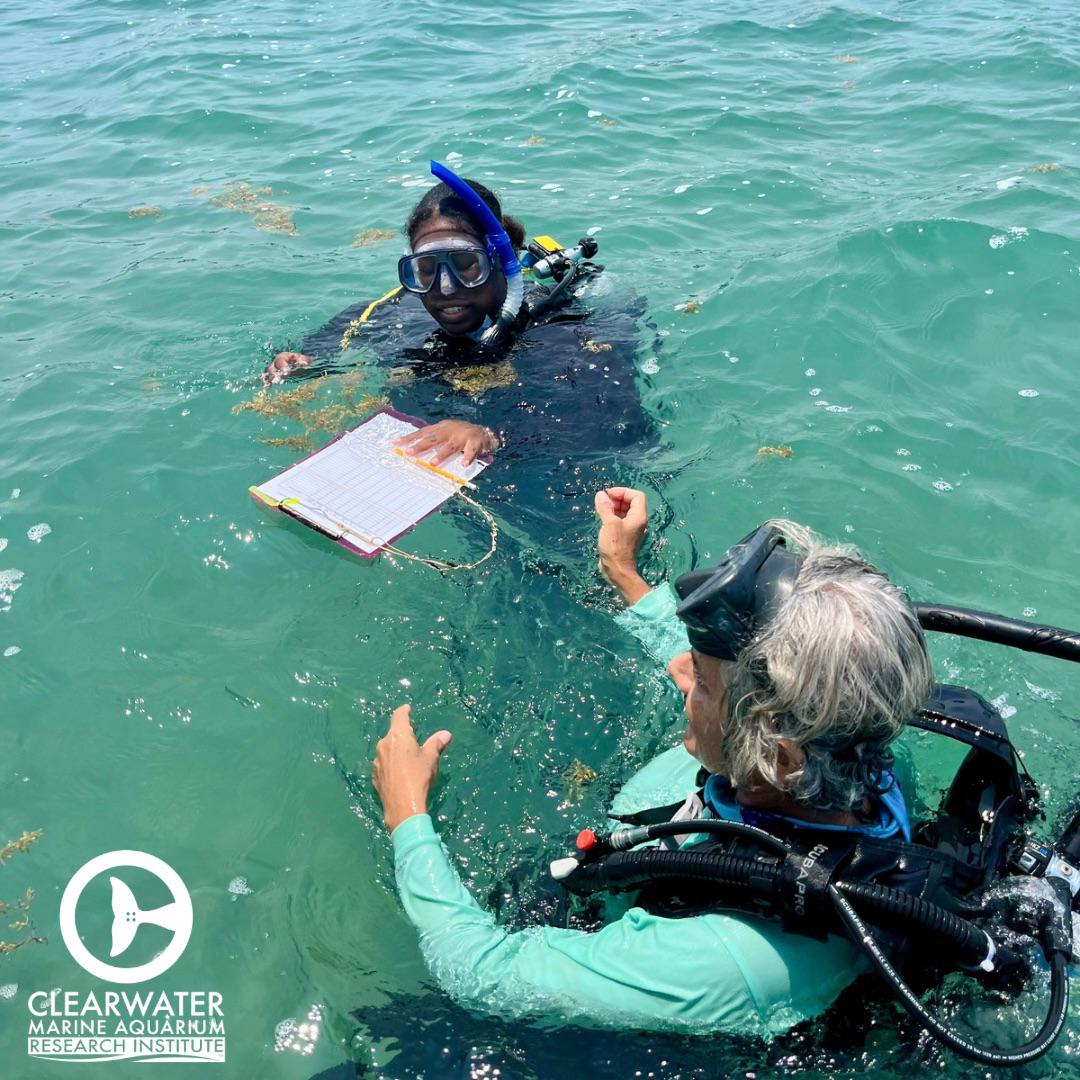
Seagrass may not get a lot of attention, but it protects Belize’s coast, supports marine life, and helps fight climate change.
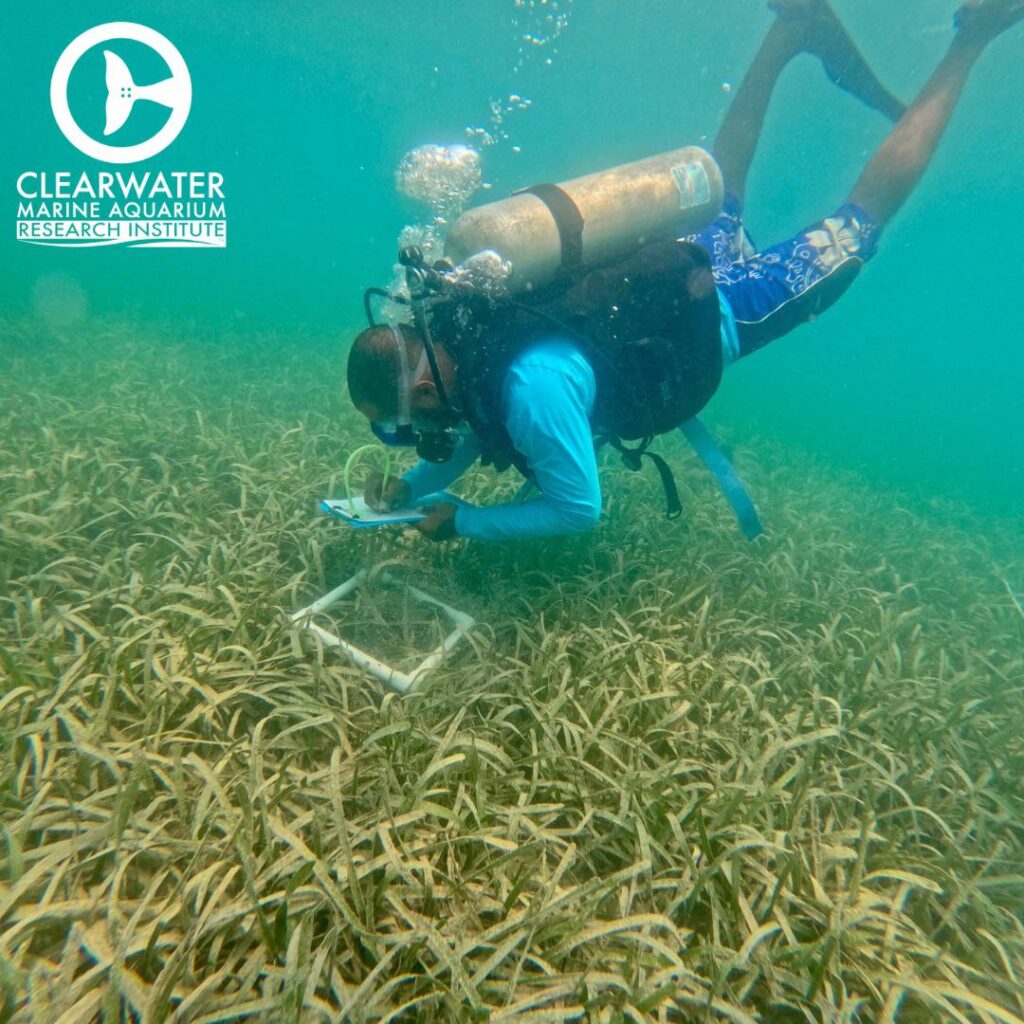
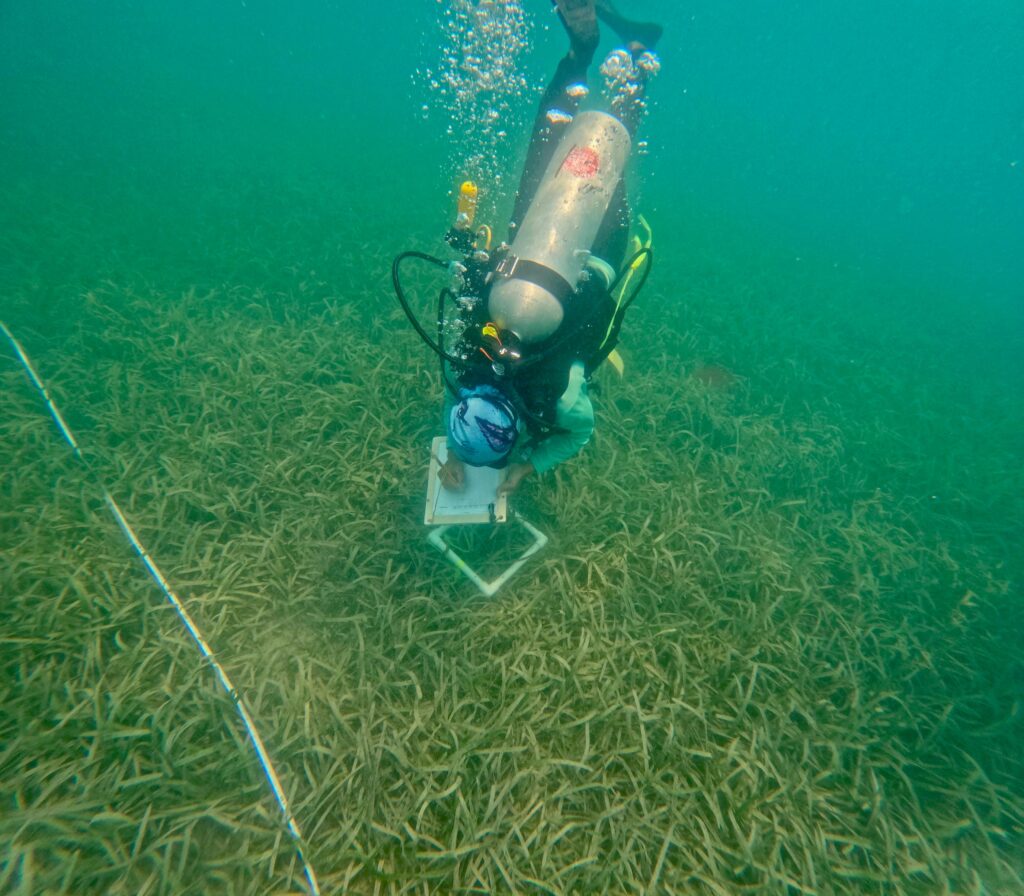
As climate change worsens, Belize’s seagrass beds are under growing pressure from warmer waters, rising seas, and pollution. To better understand what’s happening below the surface, researchers from the Clearwater Marine Aquarium Research Institute (CMARI) are working with a familiar marine neighbour — the manatee.
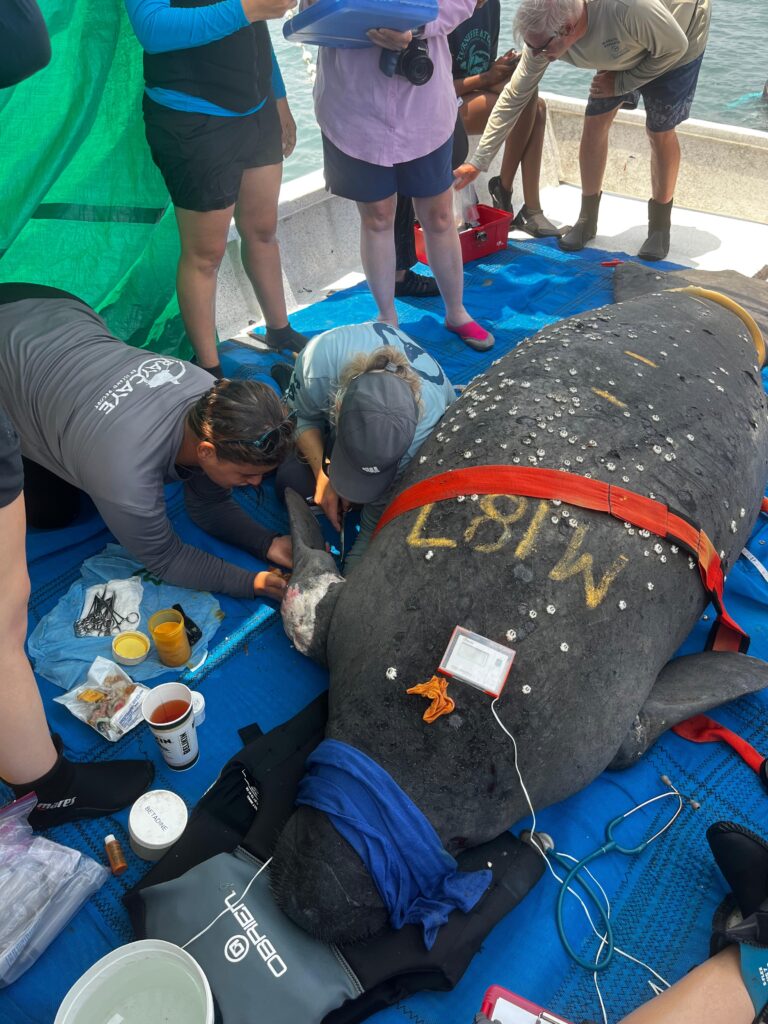
With support from the Belize Fund, CMARI is studying seagrass in places where manatees feed and rest, including Gales Point and Placencia Lagoon. By tracking manatees and checking the health of seagrass, the team is learning where these habitats are healthiest, and which ones need protection.
In just one year, the project has:
✔ Monitored seagrass across 30 coastal sites
✔ Tracked 6 manatees using satellite technology
✔ Installed environmental monitoring equipment
✔ Trained 17 Belizean conservation professionals in seagrass surveys
✔ Engaged 176 students through outreach and education
The findings show that human activity, including boat damage, can leave long scars on seagrass beds, threatening the marine life and livelihoods that depend on them.
This research is helping Belize plan smarter.
It’s creating a baseline for seagrass health and providing data needed to conserve and protect key areas, and support long-term climate resilience for manatees, coastal communities, and our ocean.