
Belize Fund Brings Practical Experience to Regional Conservation Financing Conversations at RedLAC Congress 2026
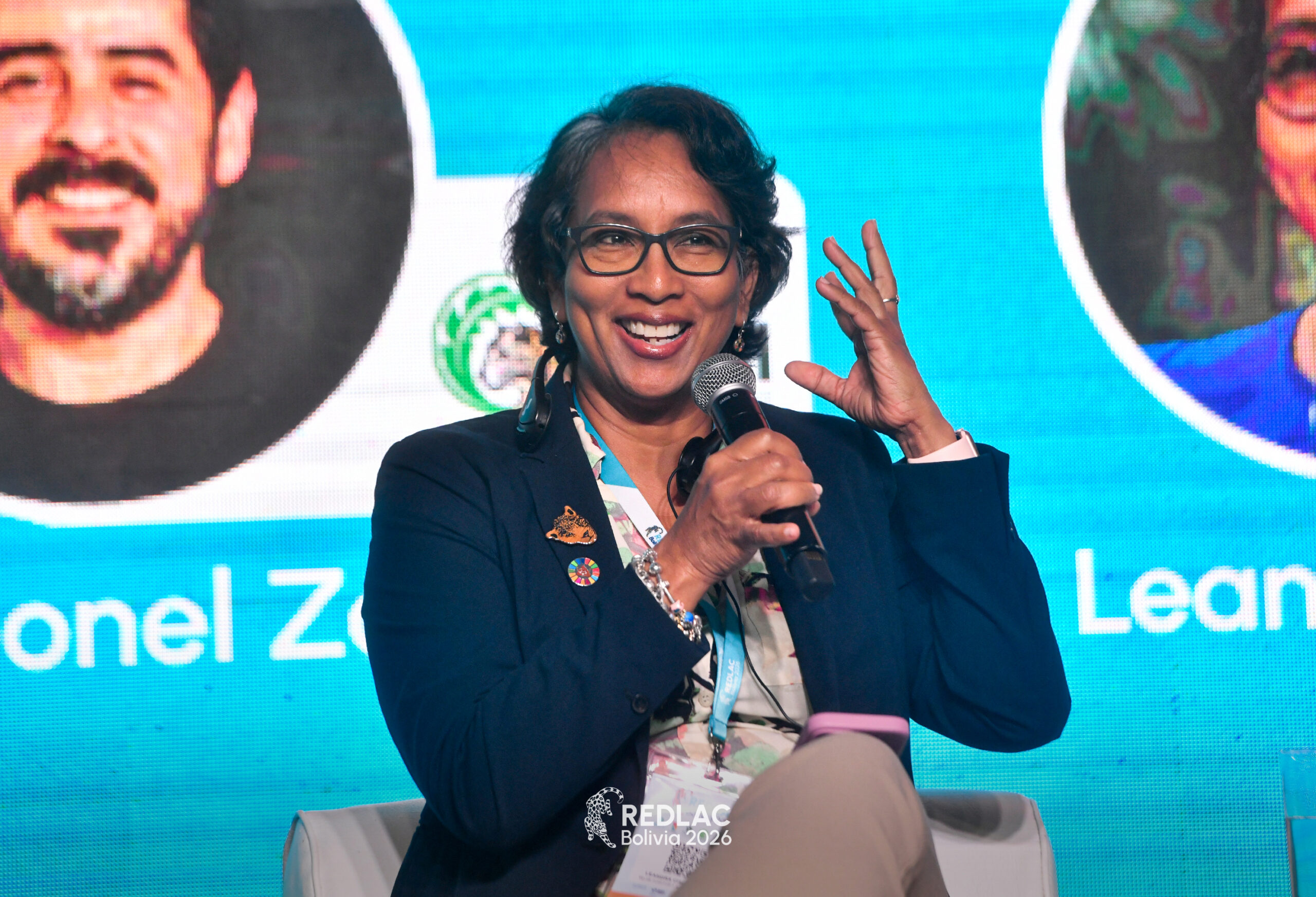
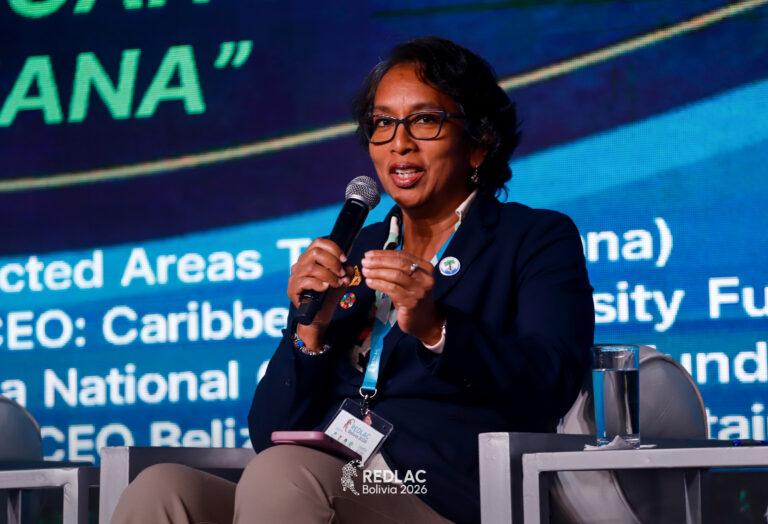
What can Belize bring to the regional conversation on conservation financing? At the RedLAC Congress 2026 in Bolivia on October 7, Belize Fund Executive Director Dr. Leandra Cho-Ricketts offered answers in two panel discussions, sharing practical lessons from Belize’s experience and learning from conservation leaders across Latin America and the Caribbean.
Strengthening Networks of Environmental Funds
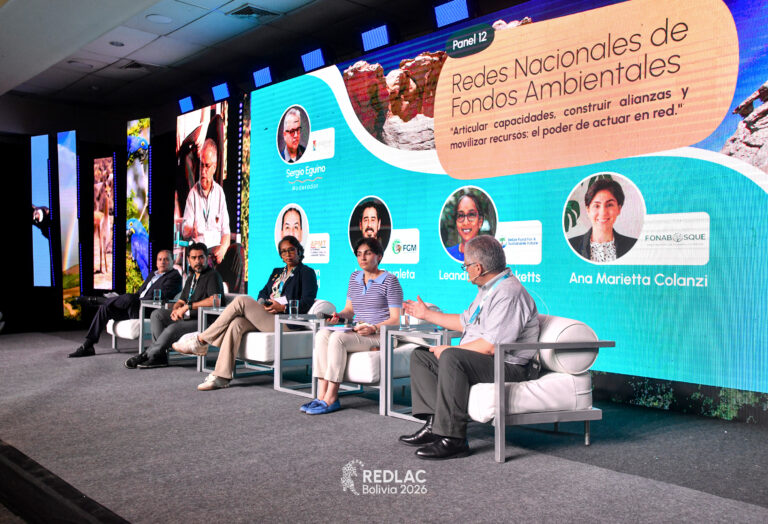
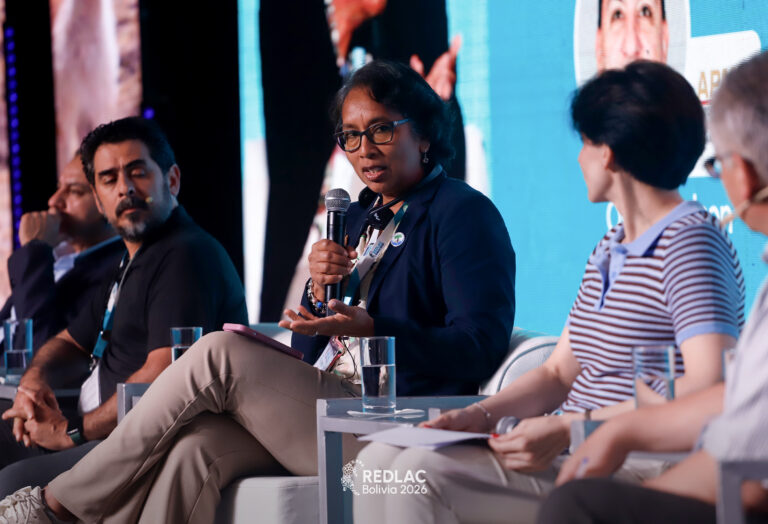
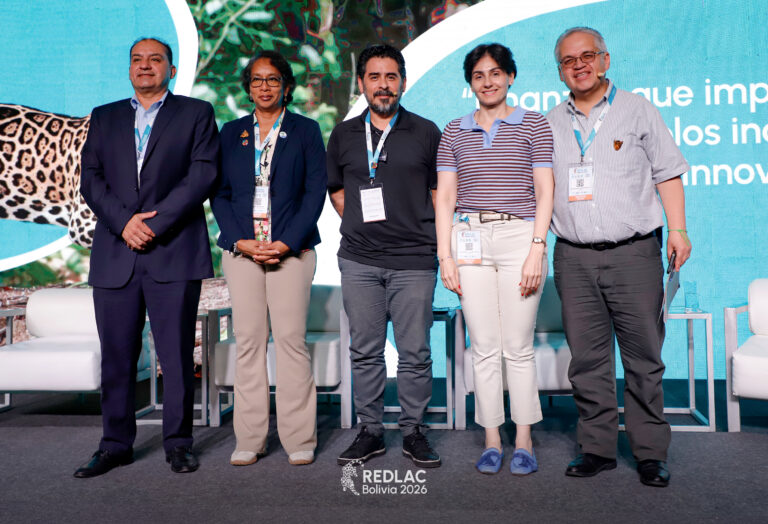
In the panel on National Environmental Fund Networks, Dr. Cho-Ricketts highlighted how environmental funds in Belize collaborate to support the country’s protected areas network. She joined representatives of FONABOSQUE, APMT, and Fondo Golfo de México–REDFAM, with Sergio Eguino of FUNDESNAP moderating.
Protecting biodiversity requires sustained investment and cooperation across institutions. By sharing experiences and exploring how environmental funds can complement one another, countries can identify opportunities to strengthen conservation financing and make better use of available resources.
Financing Solutions Designed for Small Island Developing States
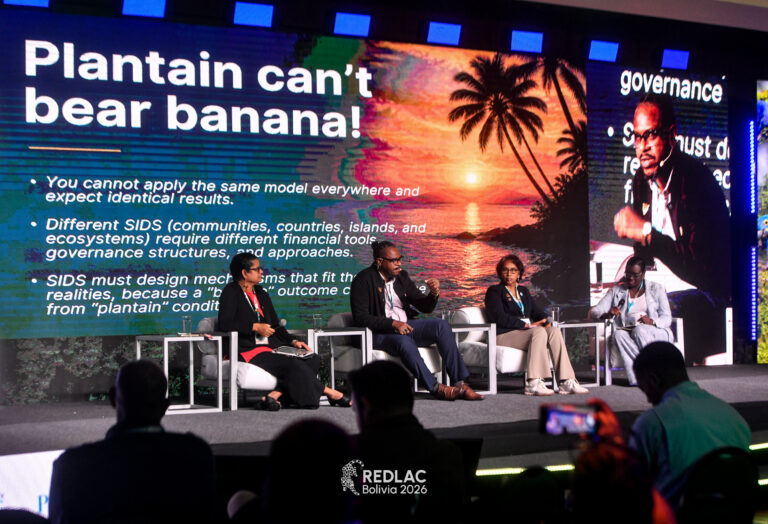
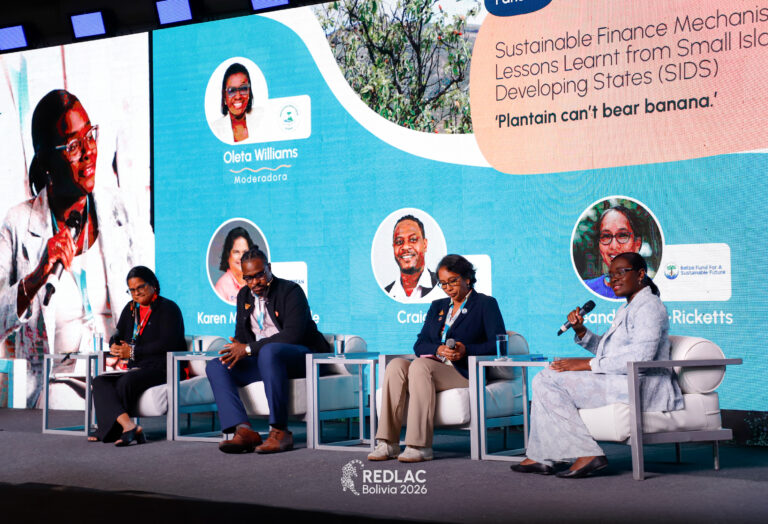
Plantain can’t bear banana, and conservation financing can’t be one-size-fits-all. From hurricanes and rising seas to economic pressures and the needs of coastal communities, Small Island Developing States (SIDS) face challenges that demand financing solutions designed for their realities.
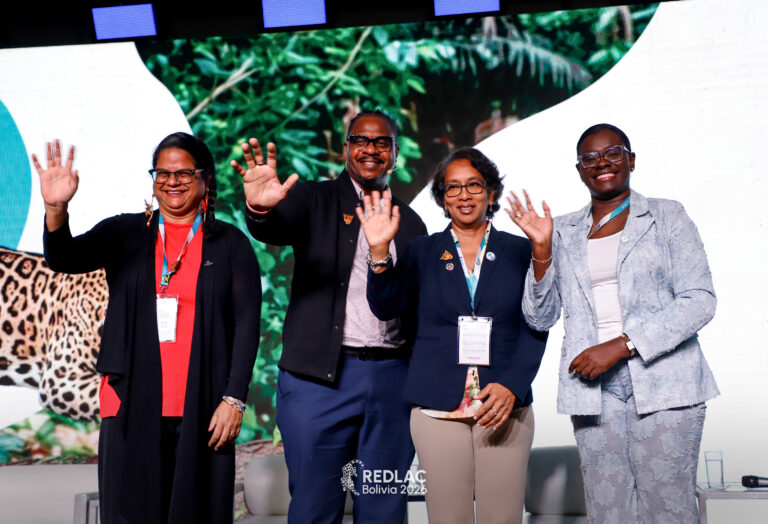
In a second panel, Dr. Cho-Ricketts joined Caribbean conservation leaders to explore what countries can learn from developing sustainable financing mechanisms. She was joined by Karen McDonald-Gayle of the Caribbean Biodiversity Fund and Craig Henry of the Saint Lucia Conservation Fund, with Oleta Williams of Guyana’s Protected Areas Trust moderating. Dr. Cho-Ricketts shared Belize’s perspective on finding practical ways to finance conservation today while securing resources for the future.
Belize’s Blue Bonds initiative is one example of how innovative financing can create long-term opportunities to invest in marine conservation. But securing financing is only part of the challenge. How those resources are managed, distributed, and translated into meaningful benefits for people and nature matters just as much.
The Takeaway
Sustainable conservation financing must respond to the countries and communities it is designed to serve.
For Belize, regional exchanges like these are an opportunity to contribute practical experience, learn from others, and strengthen the cooperation that supports long-term conservation. Through these conversations, Belize and its regional partners can exchange lessons on building financing mechanisms that are not only innovative, but practical, inclusive, and responsive to local needs.