
Every Year, the Beaches in Belize Turn Brown
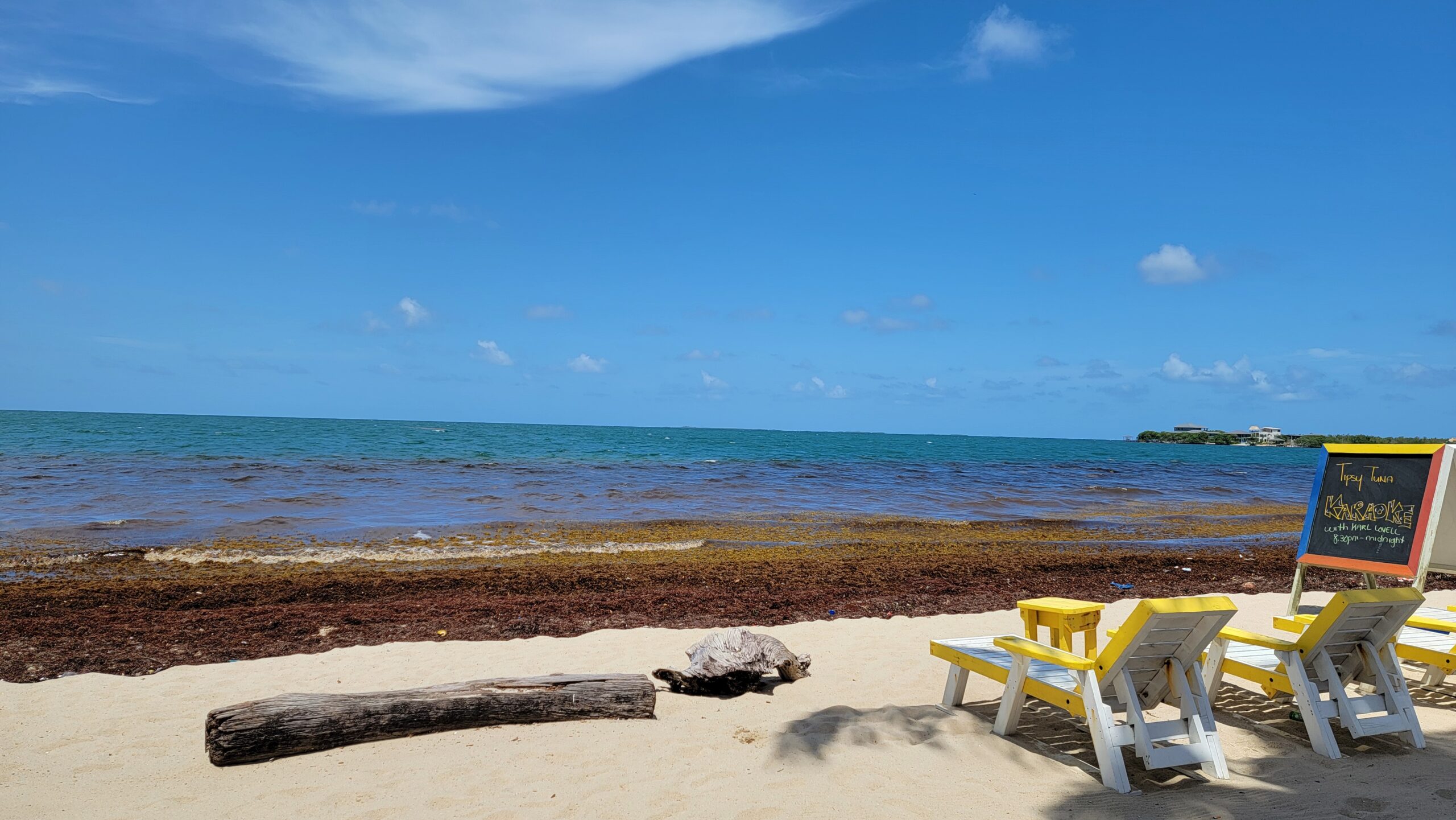
The smell hits first.
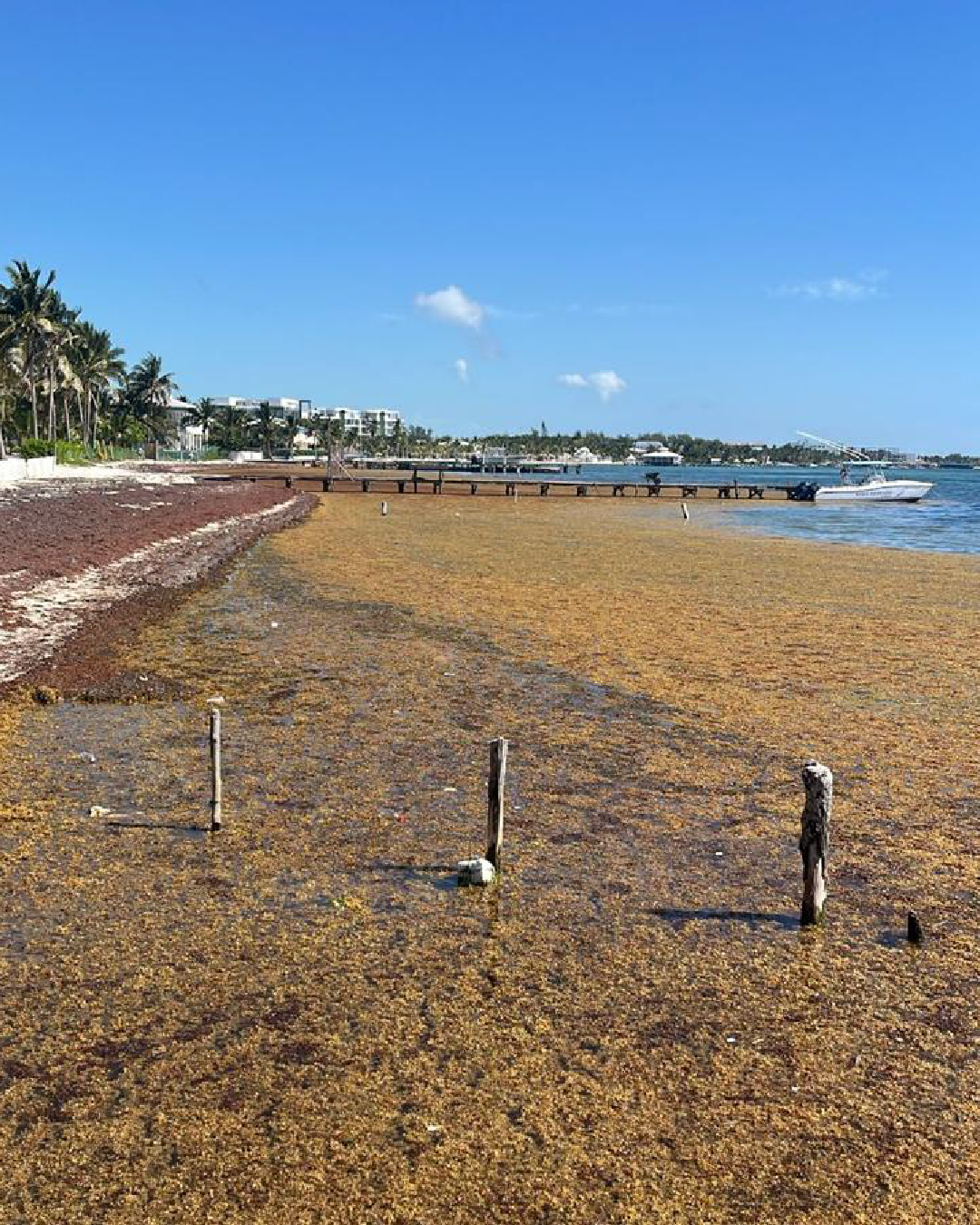
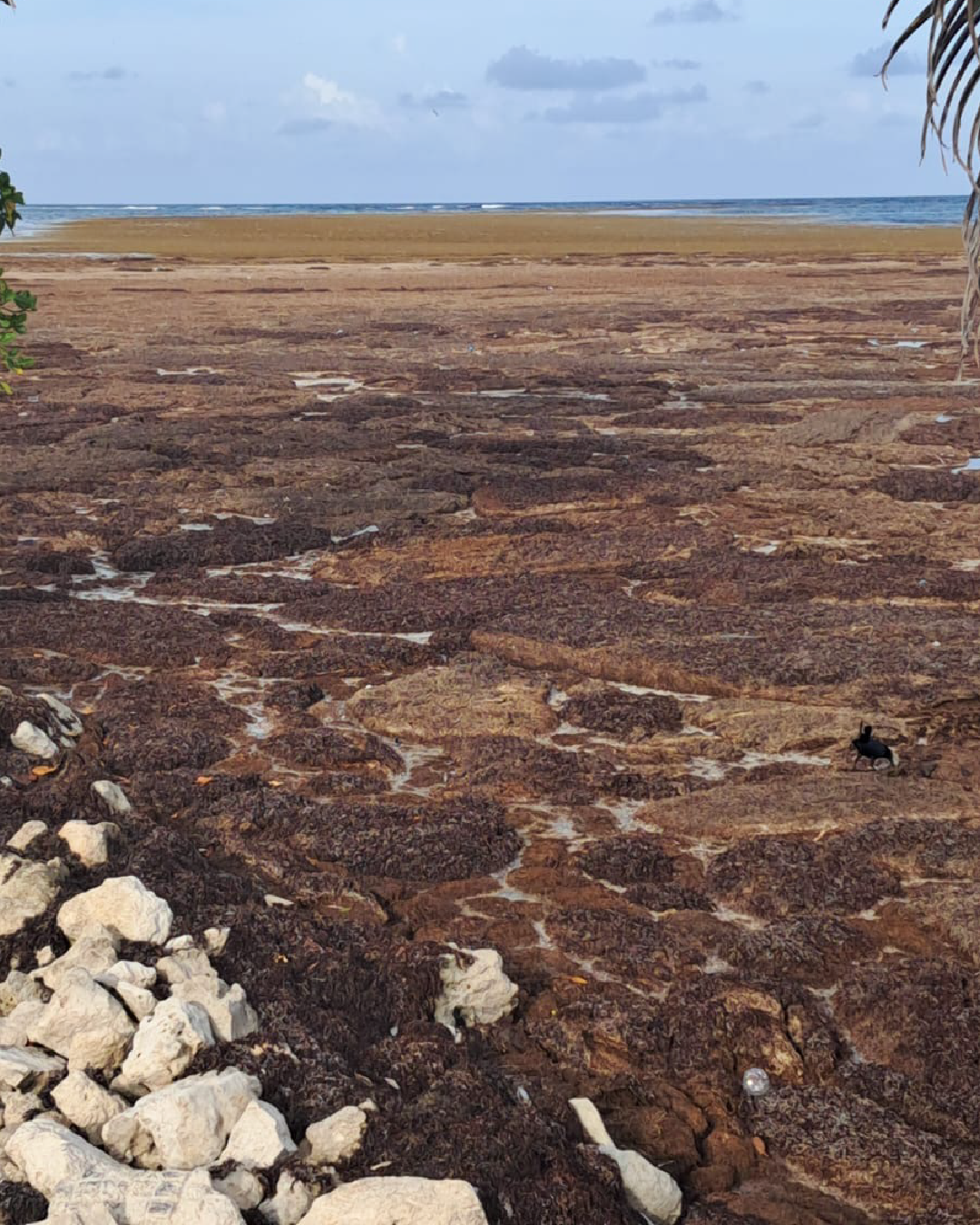
If you have stood on a beach in San Pedro, Caye Caulker, Hopkins, Seine Bight, or Placencia during a heavy sargassum season, you know it. The thick piles of brown seaweed. The heat. The flies. The discomfort of breathing in air made heavy by rotting sargassum.
For coastal communities, this is an eyesore and a disruption to daily life.
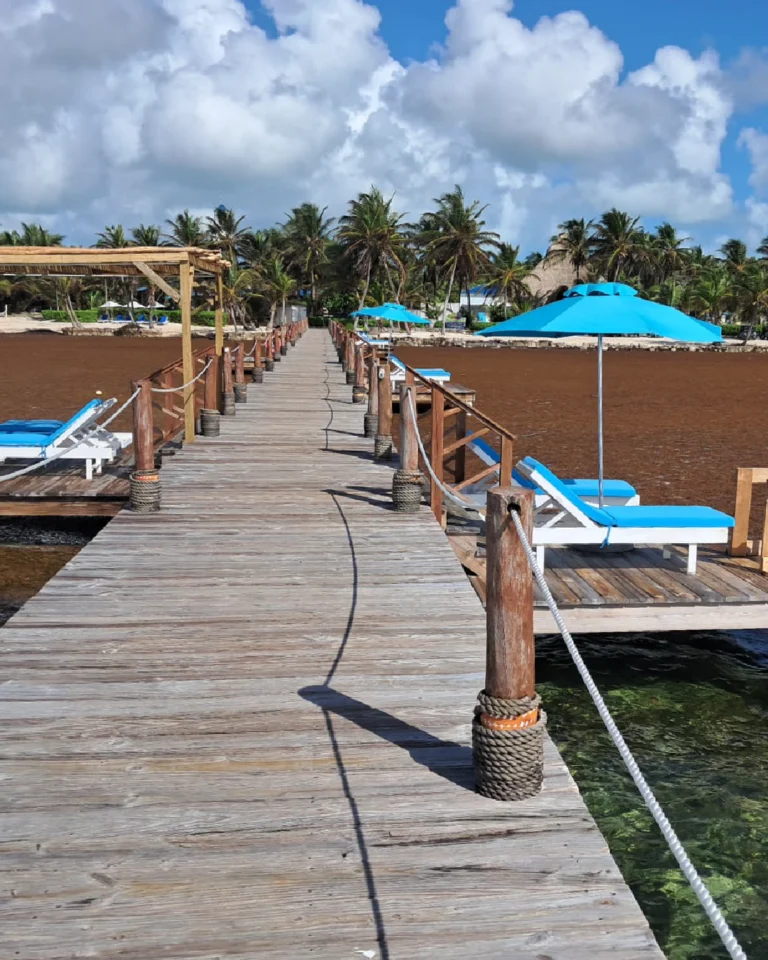
Sargassum affects the people who live near the sea, the workers who depend on tourism, the businesses trying to stay open, and the marine ecosystems that support Belize’s blue economy. When it piles up along the coast, it can affect public health, damage the beach and the beach experience, increase cleanup costs, and place added pressure on already vulnerable coastal areas.
More Than a Tourism Problem
The Belize Fund created its Emergency Response Grants to provide fast support when national emergencies affect Belize’s marine and coastal environment. This special funding window allows the Fund to respond quickly and help reduce impacts on communities, ecosystems, and the blue economy.
The funding is not a permanent solution. It is short-term support for moments when the need is urgent and communities cannot wait.
Through the first emergency grant, the Belize Tourism Industry Association and the Belize Hotel Association supported tourism businesses with cleanup efforts in five coastal communities: San Pedro, Caye Caulker, Hopkins, Seine Bight, and Placencia.
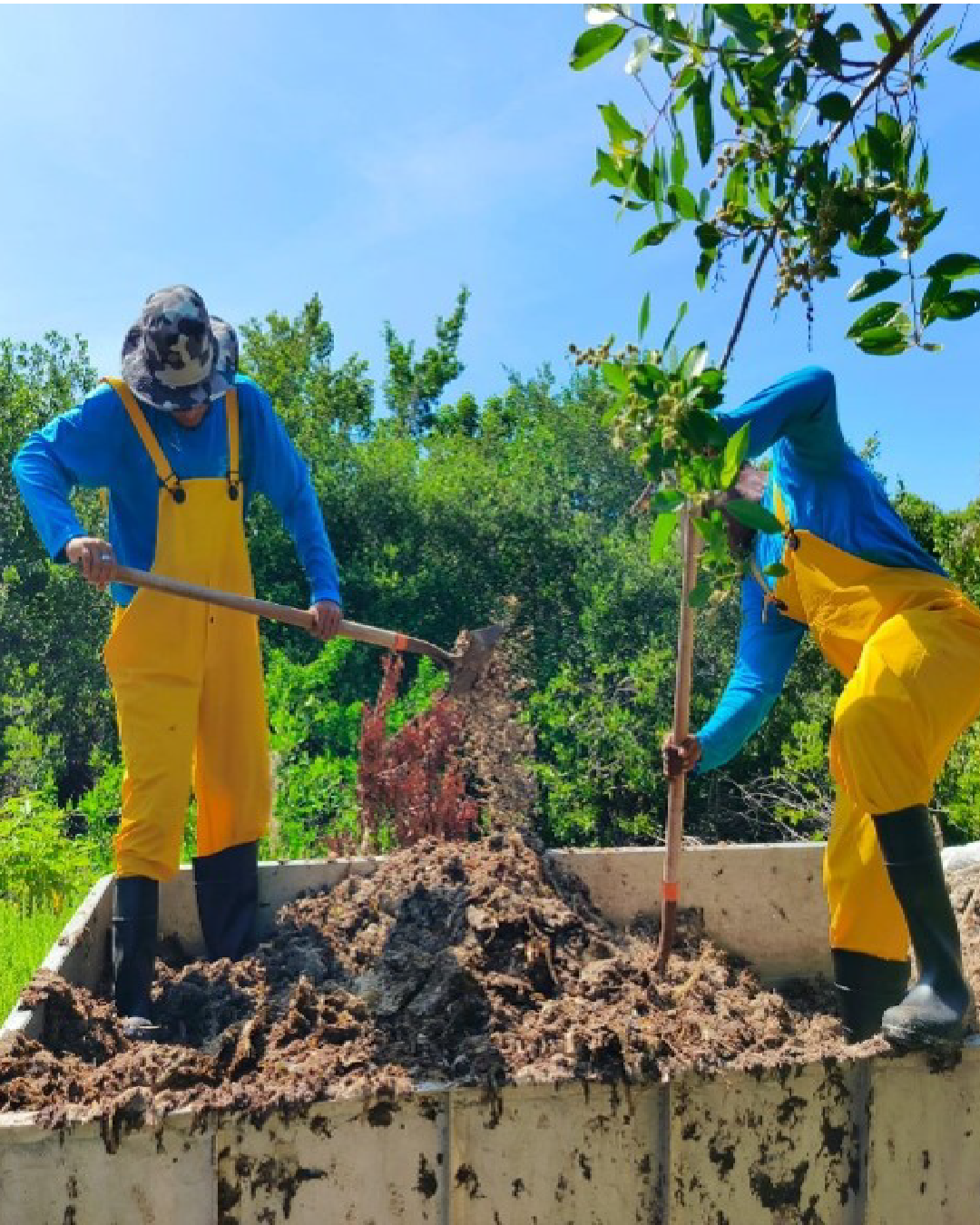
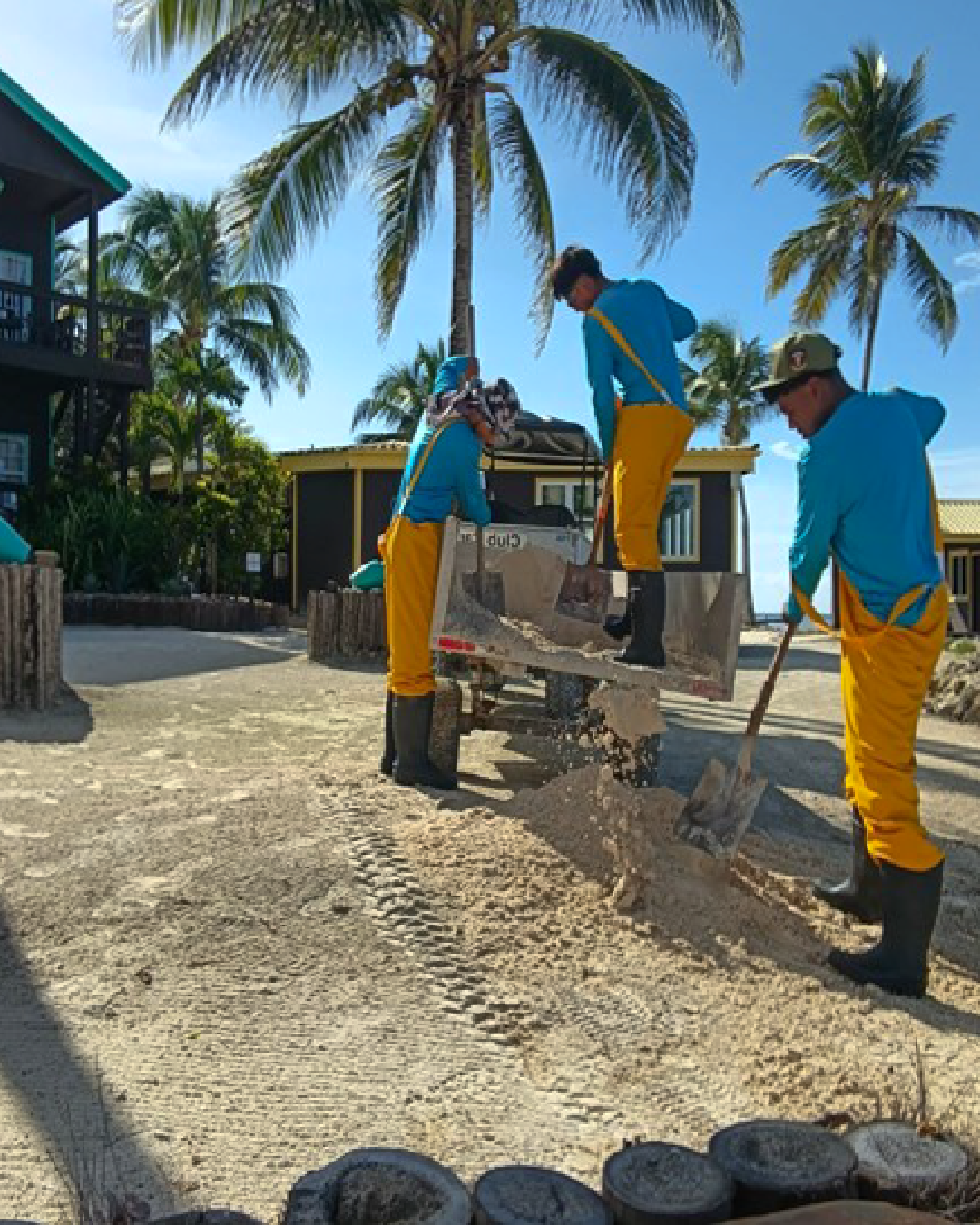
Together, the effort, costing approximately BZ$215K, removed 847.9 tons of sargassum from Belize’s coastline. Thirty-two hotels and tourism entities participated in cleanup efforts. A total of 124 people were employed. Five communities benefited.
Unseen and Unspoken Realities
The numbers do not show the early mornings. The repeated cleanups. The workers loading heavy, wet sargassum under the sun. The businesses trying to keep beaches usable. The residents hoping for relief from the smell. The communities doing what they can against a problem that keeps coming back.
And that is the purpose of the emergency response.
It helps in the moment. It reduces immediate pressure. It supports jobs. It keeps affected areas functioning. It gives coastal communities and businesses a short, much needed relief.
But it does not solve the sargassum crisis.
Emergency Response, Not a Permanent Fix
Belize cannot clean its way out of this problem. Sargassum is now a recurring challenge for the wider Caribbean, and it requires long-term planning, coordination, science, investment, and practical solutions.
While partners continue working toward longer-term strategies, a second Emergency Response Grant of BZ$300,000 was approved to support continued cleanup, beach maintenance, and responsible disposal in affected coastal areas suffering from this year’s onslaught.
Implemented by the Belize Tourism Industry Association in partnership with the Belize Hotel Association, the project is expected to support approximately 40 coastal hotels and tourism businesses, help maintain 12,000 linear feet of beachfront, and create temporary employment for approximately 200 local workers.
Building a Stronger National Response and Action
At the same time, the Belize Fund is working with the Ministry of Blue Economy and Marine Conservation to support broader, longer-term national action. This includes support for the development of a national sargassum response plan and exploring opportunities to manage our response to blooms before they arrive and to turn sargassum into useful economic products instead of treating it only as waste.
Emergency grants help Belize respond now.
Long-term planning helps Belize prepare for what comes next.
Every year, the beaches may turn brown. But Belize’s response can become stronger, smarter, and more coordinated — helping communities breathe, work, recover, and adapt to this growing annual threat.
Previous Story