climate change

News & Events

UB and Belize Fund Partner for Ocean Conservation Research and Education

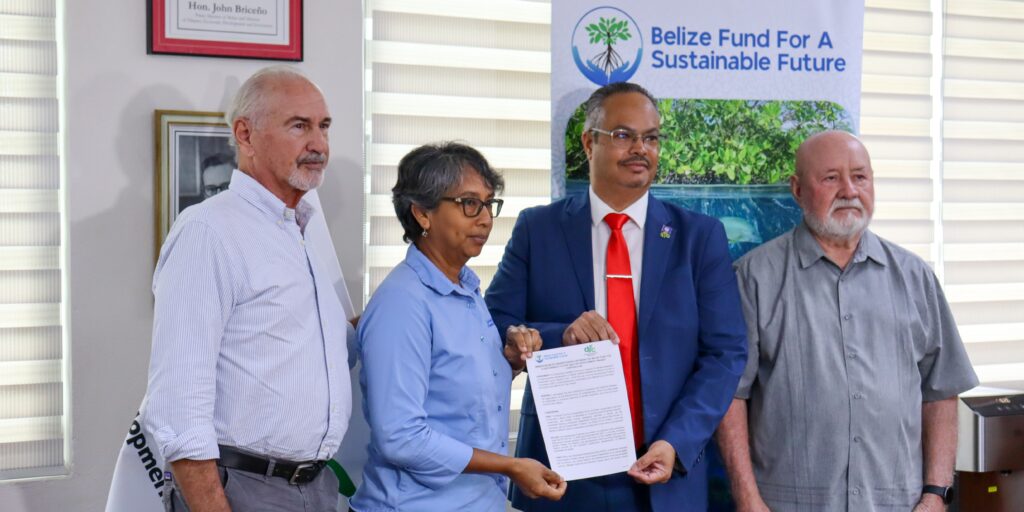
(City of Belmopan, November 26, 2025) – The University of Belize (UB) and the Belize Fund for a Sustainable Future today signed a Memorandum of Understanding (MOU) to formalize a strategic partnership that will enhance national capacity in ocean conservation, climate adaptation, and blue economy development. The agreement aims to connect scientific knowledge with real-world action by supporting research, training, community empowerment, and public awareness initiatives that contribute to the sustainable management of Belize’s ocean space. Under this partnership, UB and the Belize Fund will collaborate to: “This partnership is an important step forward for UB and for Belize,” said UB President, Dr. Vincent Palacio. “It gives our students and faculty greater opportunities to engage in meaningful work that supports marine conservation and the development of a sustainable blue economy. We are always looking for ways to connect what we teach in the classroom and explore in our research labs with what the country actually needs, and this MOU helps us do exactly that.” “As Belize moves toward effective ocean conservation, a thriving blue economy and adaptation to climate change, collaboration is vital,” says Dr. Leandra Cho-Ricketts, Executive Director, Belize Fund. “This partnership with UB allows us to combine scientific research, community empowerment, and sustainable financing to deliver lasting impact for people and nature.” The MOU will remain in effect for five years and includes mechanisms for joint planning, monitoring, and evaluation of activities. Both organizations will designate key officers to oversee implementation and ensure the success of this partnership. – End –

News & Events

PRESS RELEASE: Belize Fund Awards $250,000 in Emergency Response Grants to BTIA and BHA to tackle Sargassum

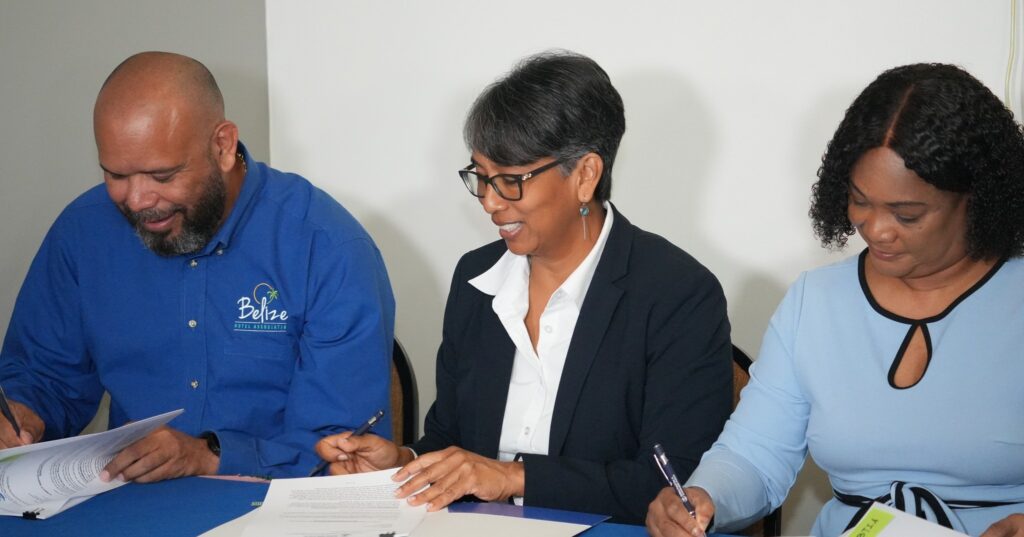
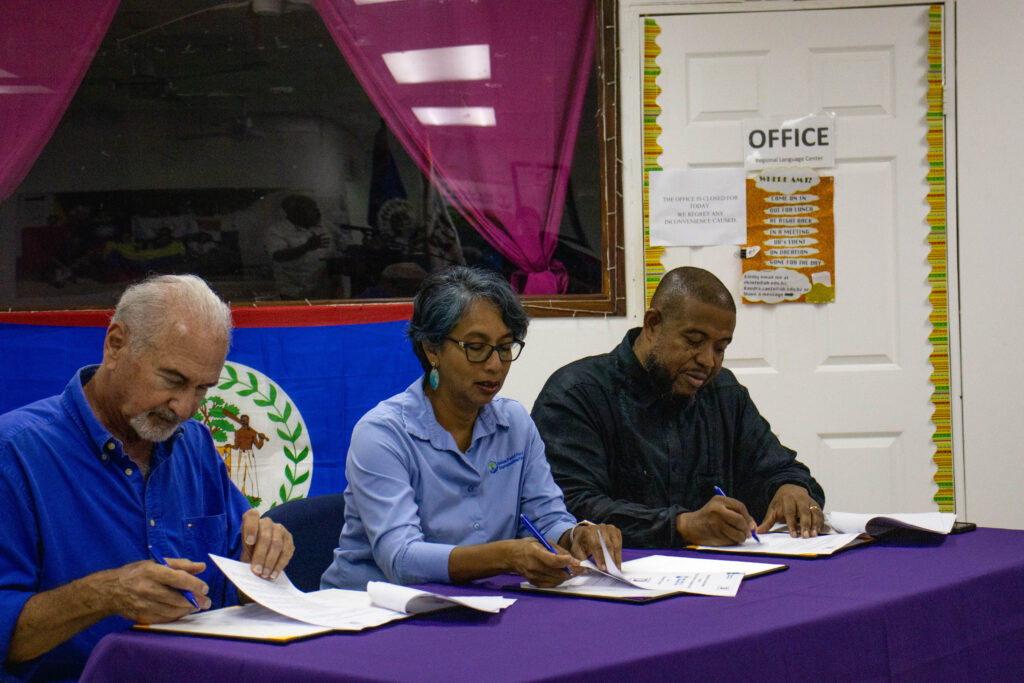
(City of Belmopan, August 28, 2025) – Today, the Belize Fund for a Sustainable Future awarded Emergency Response Grants totalling BZ$250,000 to the Belize Tourism Industry Association (BTIA) and the Belize Hotel Association (BHA), to help address the worsening sargassum emergency impacting people, ecosystems, and livelihoods. The emergency funding is equally distributed between the BTIA and BHA, with each organization receiving BZ$125,000 to support affected hotels in San Pedro, Caye Caulker, Hopkins, Seine Bight, Placencia, and other offshore islands. The Funds will be used to support sargassum removal through equipment rental, hiring of personnel, and safe disposal. This intervention will also help maintain cleaner beaches for both residents and visitors. “Beyond tourism impacts, decomposing sargassum creates serious respiratory health risks for coastal communities, kills marine life through oxygen depletion, contaminates our waters, and threatens the livelihoods of fishermen and other coastal workers,” expressed Dr. Leandra Cho-Ricketts, Executive Director of the Belize Fund. “While we cannot solve this emergency alone, we want to help reduce its immediate impacts on both our environment and our people.” The Signing Representatives were: • Dr. Leandra Cho-Ricketts (Belize Fund) • Ms. Linette Canto (BTIA) • Mr. Reynaldo Malik (BHA) The two-month intervention operates through a re-granting mechanism, allowing BTIA and BHA to distribute funds directly to the most severely affected hotels in coastal areas where they are needed most urgently.

News & Events

Belize Fund at RedLAC Congress 2025: Shaping the Future of Sustainable Ocean Finance

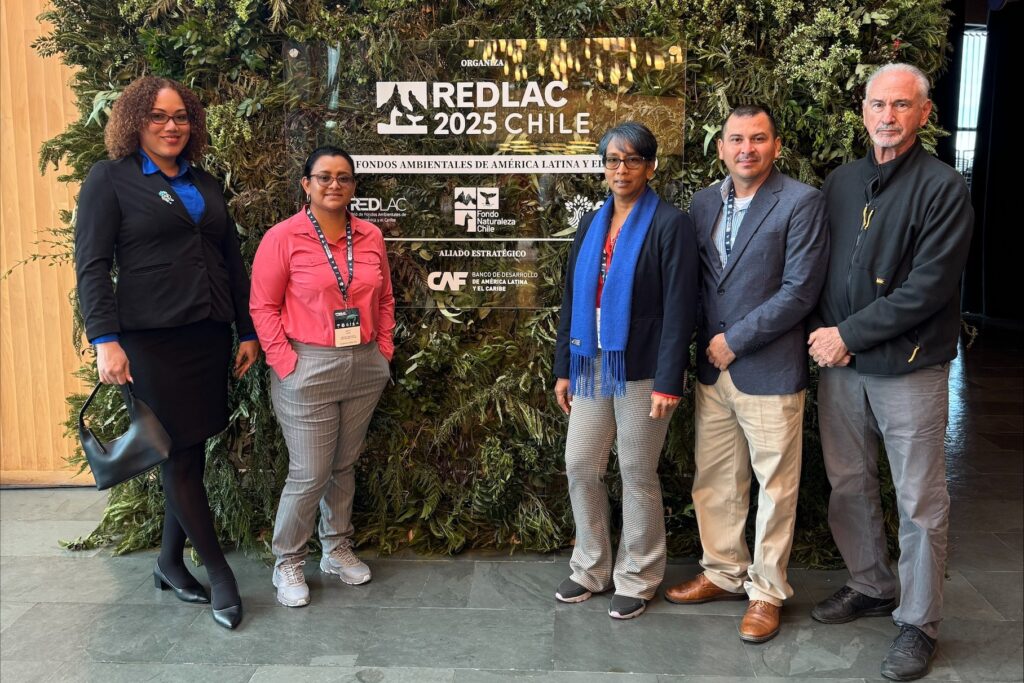
The Belize Fund joined Conservation Trust Funds (CTFs) from across Latin America and the Caribbean at RedLAC Congress 2025, sharing lessons, innovations, and regional priorities for scaling sustainable finance. As a network of environmental funds committed to advancing effective conservation financing, RedLAC continues to play a critical role in shaping how countries safeguard biodiversity while supporting community resilience. Driving Better Impact Reporting for Conservation On September 28, 2025, Program Manager Josué Oliva and Project Officer Patty Pate participated in a workshop on Impact Reporting for Conservation Trust Funds, hosted by The Nature Conservancy. During the session, Josué shared how the Belize Fund is strengthening its systems to measure, track, and communicate results under the Belize Blue Bonds and Debt-for-Nature Swap. He emphasized three pillars guiding our approach: Through continuous learning and partnership, the Belize Fund remains committed to transparent, results-driven reporting that shows how sustainable financing creates meaningful change. Blue Finance for Locally-led Action RedLAC focused on the urgent need for sustainable ocean finance, especially as coastal communities face growing climate risks. With nearly 40% of the world’s population living near vulnerable coasts, our regional CTFs are proving that investing in nature is the smartest choice. Smart Financing for a Sustainable Future On October 2, 2025, our Executive Director, Dr. Leandra Cho-Ricketts, joined the panel “Green Bonds and Blue Bonds: Smart Financing for a Sustainable Future.” Dr. Ricketts reflected on key challenges in ocean conservation and how they guide our work at the Belize Fund—from measuring the real impact of the funding we provide to using targeted communications that amplify results and reach the people who matter most. Belize Fund Joins RedLAC’s Executive Committee A proud milestone for Belize—Dr. Leandra Cho-Ricketts has been elected to the RedLAC Executive Committee, the network’s core working body. In this role, she will work alongside regional leaders to: This achievement reflects Belize’s growing leadership in conservation financing and our commitment to regional collaboration and innovation. Looking Ahead RedLAC Congress 2025 underscored the transformative potential of sustainable financing across the Caribbean and Latin America. By combining scientific evidence, strong monitoring, and effective communications, as well as elevating community-led conservation, we are happy to contribute to regional efforts that champion approaches that uplift people while protecting nature.

News & Events

TASA successfully concludes two-year project, fusing tradition and technology

Managing one of Belize’s most important marine treasures, the Turneffe Atoll Marine Reserve, requires dedication, innovation, collaboration, and sustainable financing. Over the past two years, the Turneffe Atoll Sustainability Association (TASA) has transformed how marine conservation is done in Belize. Blending traditional knowledge with technology, TASA has strengthened enforcement, improved reef monitoring, and deepened engagement with fishers and coastal communities. Through the project, TASA achieved remarkable results: The Belize Fund for a Sustainable Future is proud to have supported this work with a BZD $831,788 grant, helping TASA scale up its digital monitoring tools and advance Belize’s blue economy through stronger, smarter, and more inclusive conservation practices.

News & Events

What does it really take to protect the ocean, not in theory, but in practice?

For small countries like Belize, where the ocean supports more than half of our economy and livelihoods, the global target of protecting it is a national reality. But it comes with a challenge of will, financing, and partnership. At the 2025 UN Ocean Conference held in Nice, France, global leaders renewed their push for the 30×30 goal: conserving 30% of the ocean by 2030. Alongside it came pledges to reduce plastic pollution, restore degraded ecosystems, and close the ocean finance gap. The commitments were many. But how practical are these goals for small coastal nations like Belize? Belize is emerging as a global leader in marine conservation, protecting 25% of our ocean, banning offshore oil drilling, and leading mangrove and coral restoration efforts. We were also the first Caribbean country to ratify the BBNJ Agreement, the new international treaty for protecting marine biodiversity beyond national jurisdiction. We continue to champion our shared responsibility for the ocean. But sustaining those efforts requires more than ambitions. From Promises into Practice Since 2022, the Belize Fund for a Sustainable Future has served as the financial mechanism under the Belize Blue Bonds agreement, a historic debt-for-nature swap. In just three years, the Belize Fund has invested over BZ$25 million, supporting 14 marine protected areas, more than 200 jobs, and engaging 48 communities. We’ve funded coral restoration, fisheries enforcement, seaweed farming, research, and community education. But our ambition extends further. Guided by our 2025–2030 Priorities, we are focused on: True sustainable development is when conservation supports both the ecosystems and people that depend on healthy reefs. The Challenge Beneath the Surface The global stage is full of powerful language: “The ocean is life.” “No one left behind.” “Mobilize billions.” But for small island developing states (SIDS), the resources are limited. Administrative burdens and heavy. And even well-meaning targets feel out of reach. At UNOC3, multiple countries called for simplified access to ocean finance. For developing countries, the biggest barriers to action aren’t ambitions. They are limited resources, complex systems, and the challenge of turning good plans into funded actions. “The Belize Fund was established to make sure conservation financing reaches the people that need it most through projects, and in ways that are responsive, inclusive and transparent,” says Dr. Leandra Cho-Ricketts, Executive Director of the Belize Fund. “Our grantmaking adapts to local realities while aligning with national and global priorities.” Protecting 30% of the ocean only matters when it supports local communities, respects tradition and culture while promoting sustainable use of marine resources, and creates real opportunities. But it stops working when it’s forced without context or when it makes life harder for the very people who depend on the ocean to survive. Global goals must be grounded in the everyday realities of our people. That’s the work. Partnerships: The Pathway to Progress There is still so much more to do but Belize cannot do it alone. At UNOC3, there were strong calls for increased financing, deeper inclusion of local knowledge, and partnership-building, themes that align deeply with our approach. The Belize Fund exists not just to unlock investment, but also to pilot what’s possible. To bridge the gap between ambition and action. Between the global stage and communities like Chunox, Gales Point, and Barranco. Between targets and transformation. “We are aiming to raise BZ$23.5 million by 2030 to support impactful, science-based and community-led conservation,” says Dr. Cho. Ricketts. “It’s a smart investment with the potential for outsized impact, not just for Belize but for coastal and marine resilience globally.” So, can Belize deliver on 30×30 and more? Absolutely! But we must remember that real progress isn’t only about how much you protect. It’s also about how and who benefits. The ocean is vast. But change can start small. If we want global goals to be more than numbers, we need to fund the frontlines. We need to value the stewardship of small nations with big ocean ambition. And we need to walk the talk because we simply can’t afford not to.

News & Events

Development Finance Corporation (DFC) and Belize Fund Sign MOU to Strengthen Financing for Climate Adaptation and Blue Economy

Belmopan City | July 29, 2024 – The Development Finance Corporation (DFC) and the Belize Fund for a Sustainable Future (Belize Fund) have signed a landmark Memorandum of Understanding (MOU) aimed at expanding access to financing for climate adaptation and blue economy development in Belize. This agreement marks a significant milestone in national efforts to strengthen environmental and economic resilience through strategic partnerships and shared expertise. As the country faces growing climate challenges and increasing pressure on its marine and natural resources, the partnership brings together Belize’s only development bank and a private conservation trust fund pioneering new blue economy models to create innovative financial solutions that drive resilience, sustainability, and inclusive growth. Through the MOU, the Belize Fund and DFC commit to closer collaboration in areas such as knowledge sharing, joint financing initiatives, and stakeholder engagement. The five-year MOU will see both organizations collaborate to: “This agreement strengthens the reach and impact of the Belize Fund,” remarked Dr. Leandra Cho-Ricketts, Executive Director of the Belize Fund. “Working alongside DFC allows us to amplify national efforts to secure a more resilient future for both our people and our marine and coastal ecosystems.” Mr. Henry N. Anderson, CEO of DFC, added, “We are proud to work with the Belize Fund in bridging financing gaps for sustainable development. This partnership aligns directly with our mission to foster equitable growth and support the nation’s climate and economic resilience.” This partnership reflects a unified approach to supporting Belize’s development goals while addressing the growing challenges of biodiversity loss, climate change, and pollution. Both institutions will work within their respective mandates to co-develop solutions that promote sustainability, economic opportunity, and environmental stewardship for the benefit of current and future generations. About DFC: The Development Finance Corporation (DFC) is Belize’s only development bank, established under the DFC Act to provide long-term, innovative financing that supports the resilient and sustainable development of the country, empower Belizean individuals, businesses, and communities. DFC offers tailored financial solutions across key sectors, including MSMEs, education, renewable energy, housing, agriculture, and tourism. As a key partner in national development, DFC continues to work closely with the Government of Belize and other stakeholders to empower individuals and businesses, foster job creation, and drive long-term economic resilience across the country. About the Belize Fund: The Belize Fund for a Sustainable Future (Belize Fund) is a private conservation trust, established in March 2022, to support conservation and climate change adaptation activities in Belize, with a focus on marine resources. Created as a sustainable financing mechanism, the Fund manages the conservation payments from the Belize Blue Bonds. In partnership with the Government of Belize, the Belize Fund finances and supports initiatives that advance the conservation commitments under the Blue Bonds agreement to ensure a sustainable future for Belize. For more information, please contact:

News & Events

Update from the 2025 UN Ocean Conference in Nice, France!

The first-ever Small Island Developing States (SIDS) Conservation Trust Fund Community of Practice was held, bringing together the Caribbean Biodiversity Fund, Micronesia Conservation Trust, Niue Ocean Wide Trust, SeyCCAT, and our very own Belize Fund for a Sustainable Future! As our Executive Director Dr. Leandra Cho-Ricketts shared: “It was great to meet other SIDS CTFs who share similar challenges and experiences. We discussed the creation of a Community of Practice to bring SIDS CTFs to the forefront, and how we can engage multilaterals and donors for a place at the table to access funding directly, to mobilize this to communities on the ground.” With record ocean heat and acidification threatening marine ecosystems worldwide, this collaboration couldn’t be more urgent. The Community of Practice represents a unified force of island nations leading the charge for ocean health. Together, we’re working to make sure small nations like Belize get the funding they need, and that the money reaches the communities driving local action for our ocean every day.🌐➡️🏝️ This is what ocean leadership looks like: small islands, big impact! 🏝️✨ 📌 Special thanks to Kate Brown for capturing the energy of the session. Participation in Seaside Chat at UNOC At the UN Ocean Conference (UNOC) Seaside Chat, Dr. Leandra Cho-Ricketts shared how Belize is pioneering sustainable ocean management through innovative financing models and data-driven approaches. She highlighted the Belize Fund as a private Conservation Trust Fund (CTF), established in March 2022 to manage conservation payments from Belize’s Blue Bond. As the first CTF of its kind born from a sovereign Blue Bond deal, the Fund serves as a critical financing mechanism to help Belize meet its marine conservation and blue economy goals, operating with transparent, independent governance and aligned with national strategies such as the Marine Spatial Plan and Blue Economy Strategy. Dr. Cho-Ricketts emphasized the importance of ocean accounts in tracking progress, ensuring transparency, and unlocking sustainable financing opportunities. These data systems support measurement, reporting, and verification (MRV) of investments and pave the way for emerging financing mechanisms like blue carbon and biodiversity credits. She also outlined the Fund’s impact to date: In advancing 30×30 and ocean finance, the Belize Fund goes beyond project funding, it enables systems change and multi-stakeholder governance. This includes financing for participatory marine spatial planning, legal designations of biodiversity zones, enforcement, ecosystem restoration, and community-based solutions aligned with national and global frameworks. She concluded with an important lesson: Getting funds to the ground is complex, requiring flexible and adaptive mechanisms to remain fit-for-purpose.

News & Events

SEA Is Keeping Eyes on Belize’s Ocean for the Next Generation

Elizabeth Avila Muschamp remembers the first time she saw a whale shark. Back in 2008, while floating in a boat near Silk Caye with friends, one swam right up beside them. “With its young,” she says softly, still in awe. “It just surfaced next to us.” For someone from landlocked Belmopan, it was shocking to catch a glimpse of the elusive giant that most people wait years to see. She had no idea how much that moment would impact her life. “I had always been someone who loves the marine space, the environment, and conservation. And I fell in love with the work SEA was doing,” recalls Elizabeth, now Executive Director of the Southern Environmental Association (SEA). That transformative encounter sparked a career dedicated to protecting some of Belize’s most precious marine ecosystems. Today, SEA manages two of Belize’s iconic marine protected areas: Gladden Spit & Silk Cayes Marine Reserve and Laughing Bird Caye National Park, the latter a UNESCO World Heritage site. With BZ$750,000 in funding from the Belize Fund for a Sustainable Future (Belize Fund), SEA has reinforced its marine conservation works in southern Belize, proving that financing is essential not just for nature, but livelihoods. A Force Behind the Frontlines of Conservation For more than a decade, SEA has played a key role in guarding Belize’s southern waters. Co-managing these ecosystems alongside government agencies, SEA has built a strong track record of enforcement, community engagement, and science-based conservation. Through the Belize Fund’s support, SEA installed solar energy systems at two remote ranger stations, drastically improving energy efficiency and enabling more effective patrols. “We were able to procure two long-range, night-vision surveillance cameras with 360-degree coverage,” Elizabeth explains. “These cameras give us a 15 kilometers, or about 9-mile view, allowing us to detect illegal activities from miles away.” In places like Laughing Bird Caye National Park, a complete no-take zone, strong enforcement can lead to reduced illegal fishing and healthier fish populations over time, creating the potential for spillover benefits to local fishers. SEA also conducts science-based monitoring. For over 20 years, the organization has tracked spawning aggregation sites (SPAGs) like Gladden Spit, collecting fish otoliths or tiny ear bones that reveal a fish’s age and health. This long-term data can inform decisions that balance conservation and fisher livelihoods. Most recently, SEA acquired an underwater drone, which allows the team to safely and efficiently survey sensitive reef habitats, expanding their monitoring capabilities while reducing risks for divers. But technology alone doesn’t save the ocean. People do. Conservation that Builds Bridges, Not Barriers SEA launched mangrove restoration efforts in coastal communities like Seine Bight, Independence, and Hopkins, essential buffer zones in the fight against erosion and storm surge. What began as a pilot project has grown into a grassroots movement. Local residents now serve as “watchdog” groups protecting their coastal ecosystems. “The community changed the name from ‘mangrove watchdog’ to just ‘watchdog,’” Elizabeth shared. “Because now, they’re monitoring everything, from erosion, dredging, even wildlife. They’ve taken ownership.” SEA’s approach is grounded in dialogue and participation. “Give them their voice, give them their space, let them say what they need to say,” she tells her outreach team. This philosophy emerged after her first Fisher Forum, which she recalls as particularly contentious. “Fishers felt their livelihoods were being taken away. We had to show them it wasn’t ‘us versus them,’ but ‘us trying to find solutions together.’” Today, SEA acts as a bridge between policies and community needs. It also supports alternative livelihoods. Through the grant funding, SEA ran a small business challenge that received 59 proposals from coastal communities. The winning proposal, a butterfly farm in Monkey River, received BZ$10,000 in seed funding. The recipient even pledged to contribute a portion of profits towards coral restoration. The initiative demonstrates how marine conservation can generate economic opportunities while reducing pressure on marine resources, a principle SEA is expanding through its restoration and community programs. Sustainable Financing Supports a Vision for Tomorrow Despite its successes, SEA highlighted a critical challenge facing marine conservation globally: short-term grants and shifting donor priorities. “Conservation requires consistent long-term investment, especially for things like monitoring, enforcement and community programs,” Elizabeth emphasized. SEA’s income from visitor fees is seasonal and vulnerable to global and external events. The Belize Fund’s support, she added, gave SEA the resources to maintain consistent enforcement patrols and build on science research and monitoring that spans decades. Looking forward, SEA plans to launch training programs for regional conservation leaders, formalize its watchdog networks, and deepen national and regional partnerships. But above all, the mission is to strengthen Belizeans’ connection to the marine spaces that sustain them. “Marine conservation is not just for foreign visitors,” Elizabeth declares passionately. “This is for us. And when we all share that value, then it shifts from being a responsibility to something that we truly appreciate.”

News & Events

Can Science and Community Leadership Transform Fisheries in Belize? A look at WCS Belize’s conservation model

In the coastal communities of Belize, before dawn breaks, the fishers are already preparing their boats. But these days, alongside their nets and hooks, some carry something new: measuring tools, identification guides, and data collection forms. They take on a new role as fisher scientists, gathering crucial information that will shape the future of Belize’s marine resources. For generations, the sea has provided food, culture, and identity. But today, that balance is shifting. With fish stocks in decline and critical species on the brink, the question becomes: Can we still have a healthy ocean filled with lots of fishes while sustaining the livelihoods of those who depend on it? The Wildlife Conservation Society Belize Program (WCS Belize), with BZ$800,000 grant support from the Belize Fund for a Sustainable Future (Belize Fund), gives us some answers. Their 24-month initiative—“Enhancing Sustainable Fisheries Management for Sharks and Finfish through Collaborative Community-Based Data Collection”—uses a conservation model rooted in science, local wisdom, and shared responsibility. The Science Behind Sustainable Fishing The project’s first data collection exercise, completed last year in Belize City, Dangriga, Hopkins, and Placencia, revealed concerning trends. The information gathered shows that approximately two-thirds of measured species displayed indicators of overfishing, with larger-bodied species like Barracuda, Mutton Snapper, and the Critically Endangered Nassau Grouper being caught before they were old enough to reproduce—threatening future populations. “This data collection is important because we’ll have data available to assist the Belize Fisheries Department in determining recommended sizes at which certain fin fish species can be caught in order to maintain healthy populations for these commercially important species,” explains Ralna Lamb Lewis, Assistant Country Director at WCS Belize. What makes this project interesting is not just the findings, but who’s doing the research—many of them retired fishers with decades of experience on the water. “We trained them using the SMART program on how to weigh and measure different species,” explains Henry Brown, Marine Technical Assistant. “We equipped them with fish ID guides for the most common species and worked closely with them to give personal assistance.” When Fishers Become Conservationists For Brown, who previously worked as a Reserve Biologist and Fisheries Officer, this approach bridges crucial gaps: “I can explain to them why it’s important to actually release them back. It’s not just to avoid being charged—it’s actually protecting the species from declining. They realize I can relate to what they’re going through.” This relationship-building creates trust that traditional conservation approaches often lack. WCS’s community engagement runs deep, from helping establish marine protected areas to developing the “managed access” approach that ensures traditional fishers maintain access to their fishing grounds. “Managed access was actually developed by the Glover’s Reef advisory committee,” Lamb Lewis reveals. “The fishers there were concerned that there was an ever increasing number of new fishers who weren’t aware of or following regulations. They wanted to ensure traditional fishers would have full access while regulating the entry of new fishers.” Women in Fisheries: Recognizing the Invisible Workforce One of WCS’s notable achievements has been highlighting women’s critical role in fishing. “People usually just speak about the men involved,” Lamb Lewis points out. “They don’t account for the support needed to bring in the catch (i.e. the preparation for the trip) and what happens after—the women involved in processing, sales, and other areas.” The organization along with the team from the Marine Conservation and Climate Adaptation Project established the first Women in Fisheries Forum eight years ago, now evolved into seven forums nationwide. Last year, they elected their first executive committee and are forming a National Women in Fisheries Association—giving voice to this overlooked fisheries segment. Sustainable Financing Supports Long-Term Impact The Belize Fund’s funding provides critical financing that supports community leadership for fisheries management. “Locally grown funding agencies are essential in ensuring benefits are realized,” Lamb Lewis emphasizes. “The current donor climate internationally is to support the creation and expansion of offshore protected areas but not the day-to-day monitoring, enforcement, and management needed. If you can’t demonstrate to fisherfolk why conservation benefits their household and communities, it’s challenging to succeed.” Communications Coordinator, Deseree Arzu, emphasizes the personal dimension of their work: “Now that I’m actually working with fisherfolk, I get first-hand experience from these men and women. You hear personal stories of sacrifice, how they get up every day to make a living not just for themselves and their families, but also for Belize as a whole, economically.” Arzu adds that funding is very important for communication efforts: ” Communication is not a one-shot approach. It must continue over time. We build trust with these communities, and consistent interaction maintains our credibility as an organization.” Looking Ahead As WCS looks to the future, this science and community-led approach provides a way forward for marine conservation in Belize—creating a model where those who depend most directly on the sea become its most dedicated protectors. “The hope,” Lamb Lewis concludes, “is that this work will be important as Belize develops modern and inclusive fisheries regulations and implements its finfish management plan—with fisherfolk integrated in the conversations and dialogues since they are the ones utilizing the resources.”

News & Events

Debt-for-Nature, Three Years Later – Is Belize Delivering on Its Ocean Conservation Promise?

Approximately three years ago, Belize made big promises on the global stage to the ocean and to its people. Through a bold debt-for-nature agreement known as the Belize Blue Bonds, our country secured funding to protect its marine resources in exchange for debt relief. It was a historic move, and one that sparked questions: Could Belize really pull this off? Would the money help real people in real places? Today, we’re proud to show just how the approved funding is being used. The Belize Fund for a Sustainable Future (Belize Fund), the private conservation trust fund established to manage and distribute the funds from the Blue Bonds, plays a critical role in realizing those promises. In just three years, the Belize Fund has approved nearly BZ$12/US$6 million in conservation grants, trained hundreds of Belizeans, supported local jobs, and engaged with over 48 communities to care for the coastal and marine areas that sustain us all. Funding for our Future The Belize Fund was created in March 2022 with one big goal: to make sure conservation funding is shared fairly, spent wisely, and reaches the communities and ecosystems that need it most. We know that protecting and conserving our ocean is essential, but so is making sure it creates real opportunities for our people. That’s why we fund a wide range of projects that combine environmental action with jobs, skills, science, and local leadership. Here’s a snapshot of the impact: We also signed a strategic partnership with the Belize Marine Protected Areas Network (BMPAN) to support the core costs associated with compliance and enforcement within Belize’s marine protected areas. This ongoing collaboration is designed to strengthen day-to-day operations — from surveillance to staffing — so that our marine biodiversity is not only protected, but effectively managed. Through sustained support like this, we’re helping to build the long-term capacity needed to safeguard our ocean. And we’re just getting started. Accessible Funding to Communities In 2024, the Belize Fund launched a special Community Grants funding window, making it easier for small, grassroots groups to access funding. In Chunox, fisherfolk are building a new training center. In the north, the Three Lagoon Sustainability Program is helping locals protect and restore mangroves. In schools and villages across Belize, a youth-led animation series will be teaching kids (and adults!) why our reefs matter. These projects are being led by passionate community groups. What about the Science? From endangered manatees to plastic pollution, coral nurseries to shark conservation, Belizean scientists, NGOs, and businesses are stepping up with support from the Belize Fund. Our funding is helping to: We’re also working with partners like the World Wildlife Fund and Clearwater Marine Aquarium Research Institute to explore nature-based solutions to address climate change, like mangrove restoration and seagrass protection. It’s science for our survival. Partnerships for Progress Our partnership with the Government of Belize ensures that national agencies also have the resources they need to deliver on the conservation commitments. With BZ$8/ US$4 million already disbursed under the Government Strategic Allocation, we’ve seen: We’re working with government, civil society, and communities to move forward together, toward a stronger, more resilient blue economy. A Small Country, A Big Model While some critics questioned the Belize Blue Bonds deal when it was first announced, Belize is proving what’s possible. We’re showing that sustainable financing can work if it’s transparent, fit-for-purpose, inclusive, and locally led. “We know we still have a long way to go and our 2024–2027 Strategic Plan is our roadmap,” says Dr. Leandra Cho-Ricketts, Executive Director of the Belize Fund. “We’re focused on building a strong, transparent institution, expanding funding beyond the Blue Bonds, supporting local groups through more accessible grants, and working with partners who share our vision for Belize’s ocean and coastal future.” As we look ahead, the Belize Fund remains committed to listening, adapting, and delivering results that matter to our country and people. Because this is about protecting the ocean and protecting what makes us Belizean.

Scroll to Top